
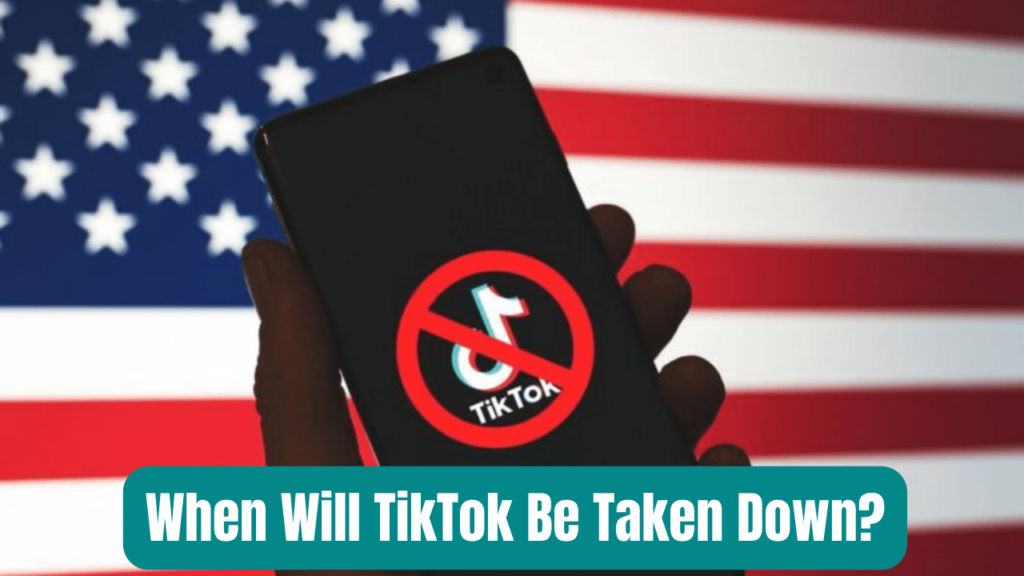
TikTok, the wildly popular short-form video app, has found itself in the crosshairs of growing security concerns and political tensions between the United States and China. As the app’s parent company, ByteDance, grapples with mounting pressure from lawmakers and regulators, the question on everyone’s mind is: when will TikTok be taken down in the United States?
The answer, unfortunately, is not a simple one. It depends on a complex interplay of factors, including national security considerations, legal challenges, and the ability of ByteDance to find a suitable buyer for TikTok’s U.S. operations. In this comprehensive article, we’ll explore the various scenarios that could unfold and shed light on the potential timeline for TikTok’s future in the U.S. market.
TikTok’s Rise to Prominence and the Growing Concerns
TikTok’s meteoric rise to fame has been nothing short of extraordinary. Launched in 2017, the app quickly gained a massive following, particularly among younger generations, thanks to its addictive algorithm and diverse content. Today, TikTok boasts over 1 billion monthly active users worldwide, with a significant portion of its user base residing in the United States.
However, TikTok’s success has been overshadowed by growing concerns over its ties to China and the potential for the app to be used as a tool for surveillance, censorship, and propaganda by the Chinese government. These fears have led to increasing scrutiny from U.S. lawmakers and national security agencies, who view TikTok as a potential threat to national security.
The Legislative Battle: From CFIUS to Recent Congressional Action
The saga surrounding TikTok’s future in the U.S. has been unfolding for several years. In 2019, the Committee on Foreign Investment in the United States (CFIUS) initiated a review of ByteDance’s acquisition of the popular lip-syncing app Musical.ly, which eventually became TikTok. This review raised concerns about the potential for the Chinese government to access user data and influence content moderation on the platform.
To address these concerns, ByteDance proposed a series of measures, including the creation of a new U.S.-based company to oversee TikTok’s operations and the storage of American user data on Oracle’s cloud servers. However, these efforts failed to alleviate the concerns of U.S. officials fully.
In March 2023, the House of Representatives passed the Restricting the Emergence of Security Threats that Risk Information and Communications Technology (RESTRICT) Act, which aims to block the use of certain foreign technologies deemed a risk to national security. While the bill doesn’t explicitly name TikTok, it provides a framework for the federal government to restrict or ban the app.
Most recently, in late April 2024, the U.S. Senate passed a bill with overwhelming bipartisan support that specifically targets TikTok. The bill, signed into law by President Joe Biden, gives ByteDance a window of 9 months to 1 year to sell TikTok’s U.S. operations to an American company. Failure to comply with this deadline could result in a nationwide ban on the app.
The Legal Challenges and Potential Outcomes
The recent legislation targeting TikTok has set the stage for a complex legal battle that could shape the app’s future in the United States. ByteDance has already signaled its intention to challenge any potential ban on constitutional grounds, arguing that such a move would violate the First Amendment rights of TikTok’s users.
According to legal experts, ByteDance could potentially seek an injunction to prevent the ban from taking effect, citing issues of free speech, due process, and equal protection under the law. This legal battle could drag on for months or even years, with the ultimate outcome hinging on the interpretation of national security concerns and the constitutional rights of individuals and companies.
If ByteDance’s legal challenges prove successful, TikTok could continue operating in the U.S. market, potentially with additional safeguards and oversight measures in place. However, if the courts side with the government’s national security arguments, a complete ban on TikTok could become a reality.
Potential Buyers and the Challenges of Divestiture
Even if ByteDance manages to avoid an outright ban, the company still faces the daunting task of finding a suitable buyer for TikTok’s U.S. operations within the mandated timeframe. This process is fraught with challenges, from identifying a buyer with the financial resources and technical capabilities to navigate potential regulatory hurdles and antitrust concerns.
Several tech giants, including Microsoft, Oracle, and Walmart, have expressed interest in acquiring TikTok’s U.S. business in the past. However, these potential deals were ultimately derailed due to concerns over data privacy, content moderation, and the ability to maintain TikTok’s unique culture and appeal.
Moreover, any potential sale would likely require approval from the Chinese government, which has historically been reluctant to allow the transfer of sensitive technologies to foreign entities. The Chinese government’s stance on a potential TikTok sale could further complicate the divestiture process and potentially scuttle any potential deals.
Impact on Users and the Broader Social Media Landscape
If TikTok were to be banned in the United States, the impact on its user base and the broader social media landscape would be significant. TikTok has become a cultural phenomenon, influencing trends, launching careers, and shaping the way people consume and create content.
For the millions of American users who have grown accustomed to the app’s addictive algorithm and diverse content, a TikTok ban would represent a significant disruption. These users would likely migrate to alternative platforms, potentially giving rise to new social media trends and reshaping the competitive landscape.
Additionally, a TikTok ban could have far-reaching implications for content creators, influencers, and businesses that have built substantial followings and revenue streams on the platform. These stakeholders would be forced to adapt to new platforms and potentially lose a significant portion of their audience in the process.
The Ticking Clock: Potential Timelines for TikTok’s Future
Given the complex web of legal, regulatory, and geopolitical factors at play, it’s challenging to pinpoint a precise timeline for TikTok’s potential demise in the United States. However, based on the recent legislative action and the challenges surrounding divestiture, we can outline a few potential scenarios:
- Successful Divestiture Within the Mandated Timeframe
If ByteDance manages to find a suitable buyer for TikTok’s U.S. operations within the 9-month to 1-year window provided by the recently signed legislation, the app could continue operating in the U.S. market under new ownership. This scenario would effectively eliminate the threat of an immediate ban, though it’s likely that the new owner would be subject to enhanced oversight and regulatory measures. - Legal Battle and Prolonged Uncertainty
If ByteDance pursues legal action to challenge a potential ban, the timeline for TikTok’s future in the U.S. could be significantly extended. Depending on the complexity of the legal proceedings and the potential for appeals, this scenario could result in years of uncertainty for TikTok users, content creators, and the broader social media landscape. - Failure to Comply and an Outright Ban
In the event that ByteDance fails to find a suitable buyer within the mandated timeframe and its legal challenges are unsuccessful, an outright ban on TikTok in the United States could become a reality. In this scenario, the app would be removed from major app stores and web-hosting services, effectively rendering it inaccessible to American users.
It’s important to note that even in the case of an outright ban, TikTok’s user base could potentially find workarounds, such as using virtual private networks (VPNs) or accessing the app through alternative means. However, such measures would likely be temporary and could result in a fragmented user experience or potential legal consequences.
Conclusion: TikTok’s Future Hangs in the Balance
The future of TikTok in the United States remains shrouded in uncertainty, with the app’s fate hanging in the balance of complex legal, regulatory, and geopolitical factors. While the recent legislative action has set a ticking clock for ByteDance to divest TikTok’s U.S. operations, the company’s potential legal challenges and the challenges of finding a suitable buyer could significantly prolong the process.
Regardless of the outcome, the TikTok saga has highlighted the growing tensions between the U.S. and China over technology, data privacy, and national security concerns. It has also raised important questions about the balance between protecting national interests and upholding individual rights and freedoms in the digital age.
FAQs
What prompted concerns about TikTok’s security risks?
Concerns arose due to TikTok’s parent company ByteDance being based in China, raising fears that the Chinese government could access user data or use the app for disinformation campaigns.
What action has the U.S. government taken against TikTok so far?
In March 2023, the House passed the RESTRICT Act allowing restrictions on foreign technologies deemed risky. In April 2024, the Senate passed a bill giving ByteDance 9-12 months to sell TikTok’s U.S. operations or face a ban.
Does the new law mean TikTok will be immediately banned?
No, the new law signed by President Biden does not immediately ban TikTok. It gives ByteDance a 9-12 month window to sell TikTok’s U.S. business to an American entity.
What happens if ByteDance fails to sell TikTok’s U.S. operations?
If ByteDance cannot find a buyer within the mandated timeframe, TikTok could face an outright ban and be removed from app stores and web hosting services across the United States.
Can ByteDance challenge a potential TikTok ban?
Yes, ByteDance has indicated it will pursue legal challenges against any ban, citing potential violations of free speech and due process rights under the Constitution.
How long could legal battles delay a TikTok ban?
Legal experts suggest court battles over a TikTok ban could drag on for months or even years if ByteDance pursues injunctions and appeals through higher courts.
Who could potentially buy TikTok’s U.S. operations?
Major tech companies like Microsoft, Oracle, and Walmart have expressed past interest but acquisitions stalled due to data privacy and cultural fit concerns.
What impacts could a TikTok ban have on users and creators?
A ban would disrupt TikTok’s millions of U.S. users and creators who rely on the app. They may migrate to other platforms, impacting businesses and influencers.
Could users still access TikTok even if banned?
While inconvenient, determined users could potentially bypass bans using VPNs or changing locations, though this violates terms of service.
When is the soonest TikTok could realistically be banned?
If ByteDance fails to sell within 9-12 months and quickly loses legal battles, fall 2024 appears the earliest realistic scenario for an outright nationwide TikTok ban in the U.S.
4 thoughts on “When Will TikTok Be Taken Down?”